EP Committee approves caste resolution
Next month, the European Parliament will express serious concern about caste discrimination and urge the EU to take action on this important human rights issue.
A long awaited bill prohibiting manual scavenging was passed by the Indian parliament on 7 September. But two leading campaign organisations say that much needs to be done before the total eradication of this inhuman practice is achieved.
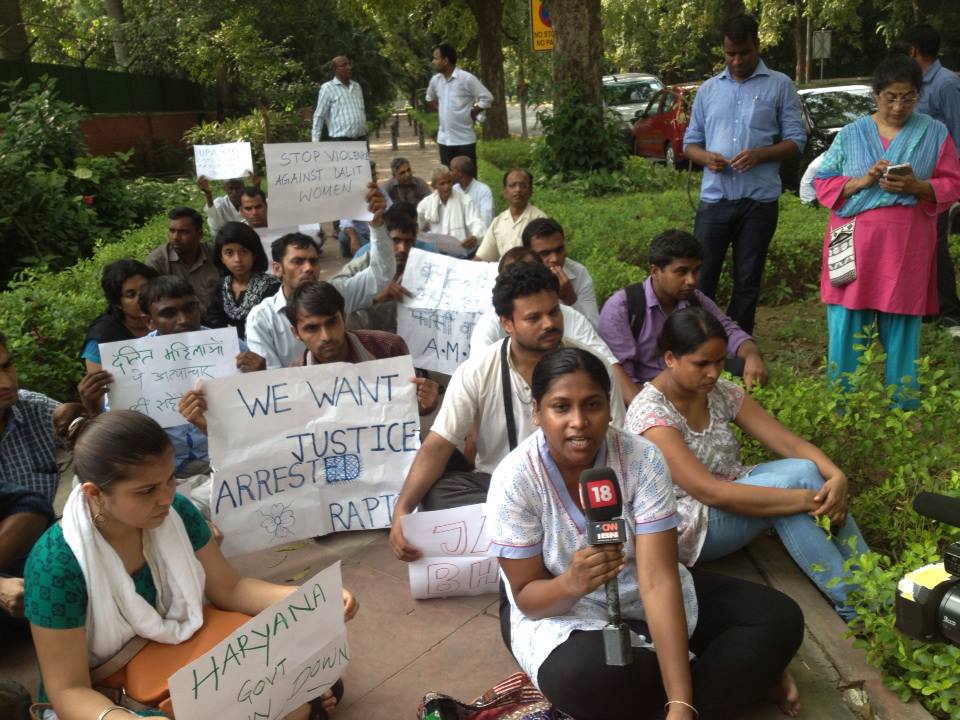
The alleged rape and murder of a 20-year old Dalit woman in Haryana has prompted civil society groups to protest against the inaction of the authorities. Her body was found on 25 August in the city of Jind. The victim’s family and activists believe that she was gang-raped before being killed.
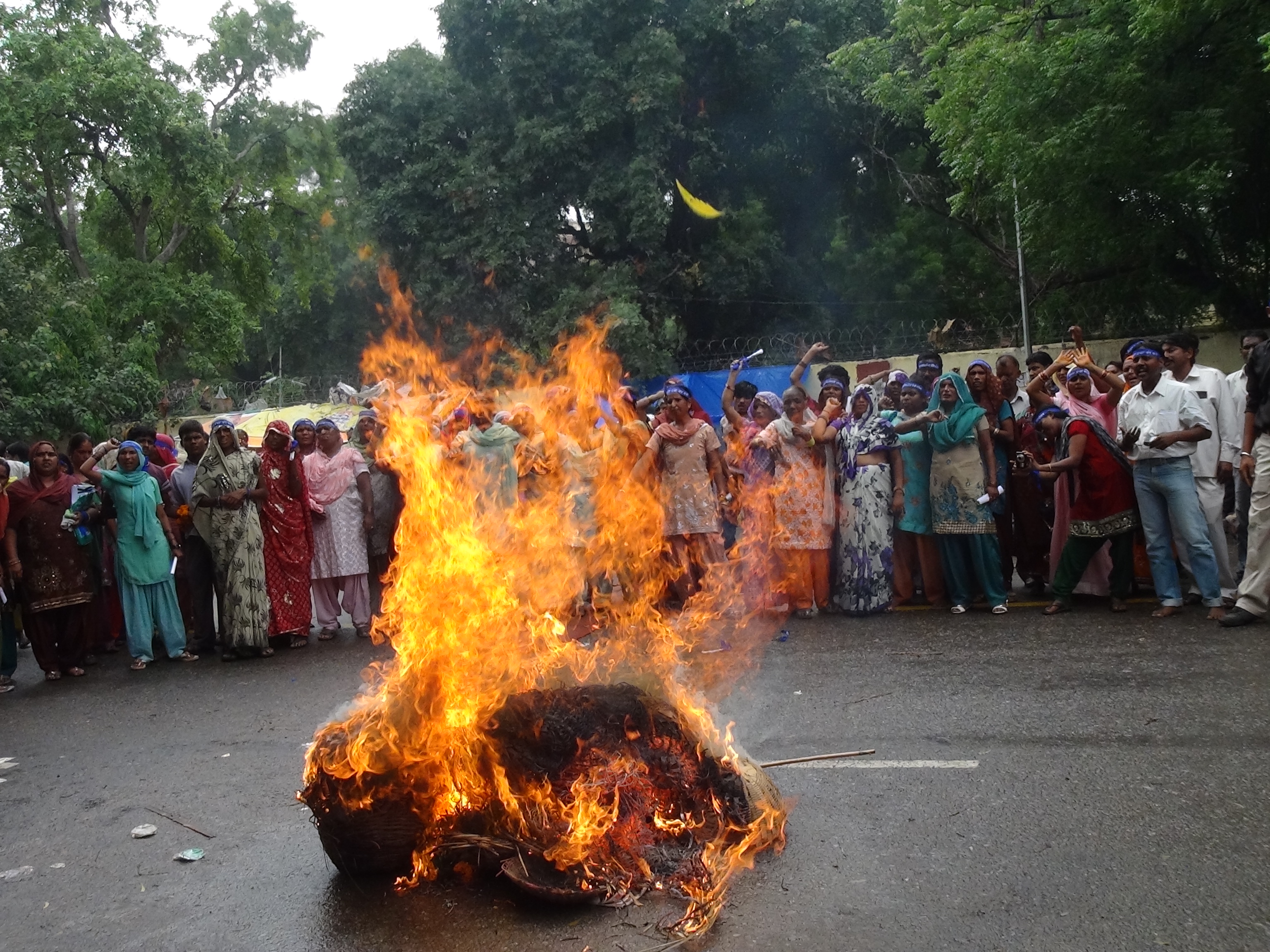
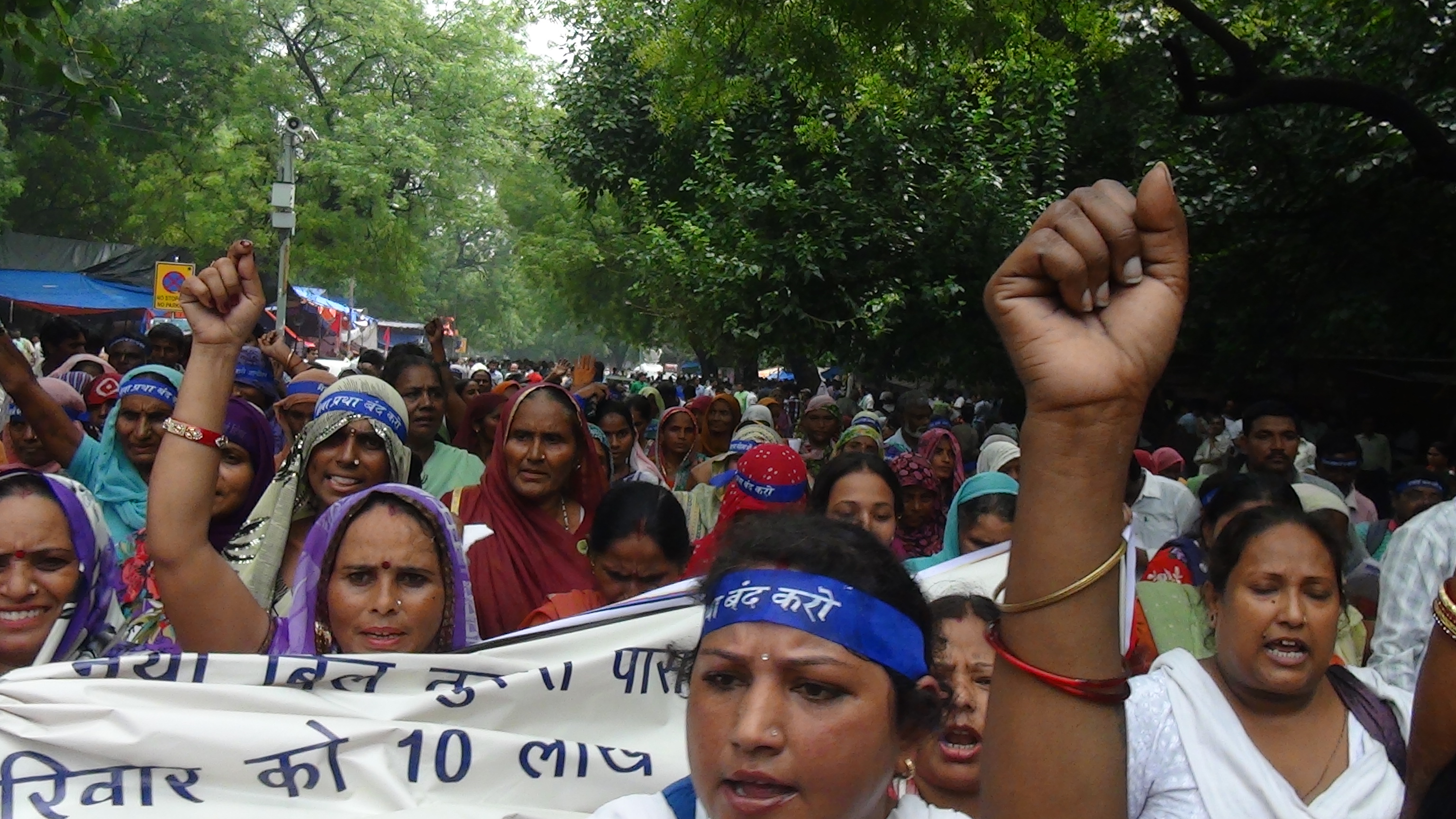
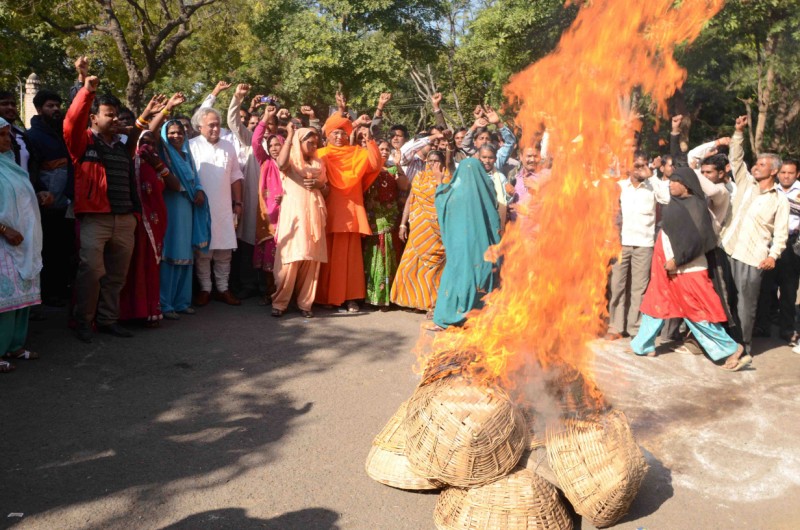
Hundreds of manual scavengers demonstrated in Delhi on 7 August against government apathy in abolishing the inhuman practice of manual scavenging. Unless legislation is introduced soon, they will return in their thousands and prevent parliament from functioning.
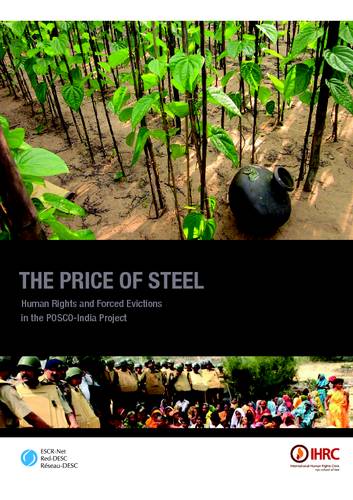
Rights groups have urged the Indian government to end human rights abuses tied to its project with South Korean steel giant POSCO and to stop illegal seizures of land that may forcibly displace thousands of Dalits and other vulnerable communities.
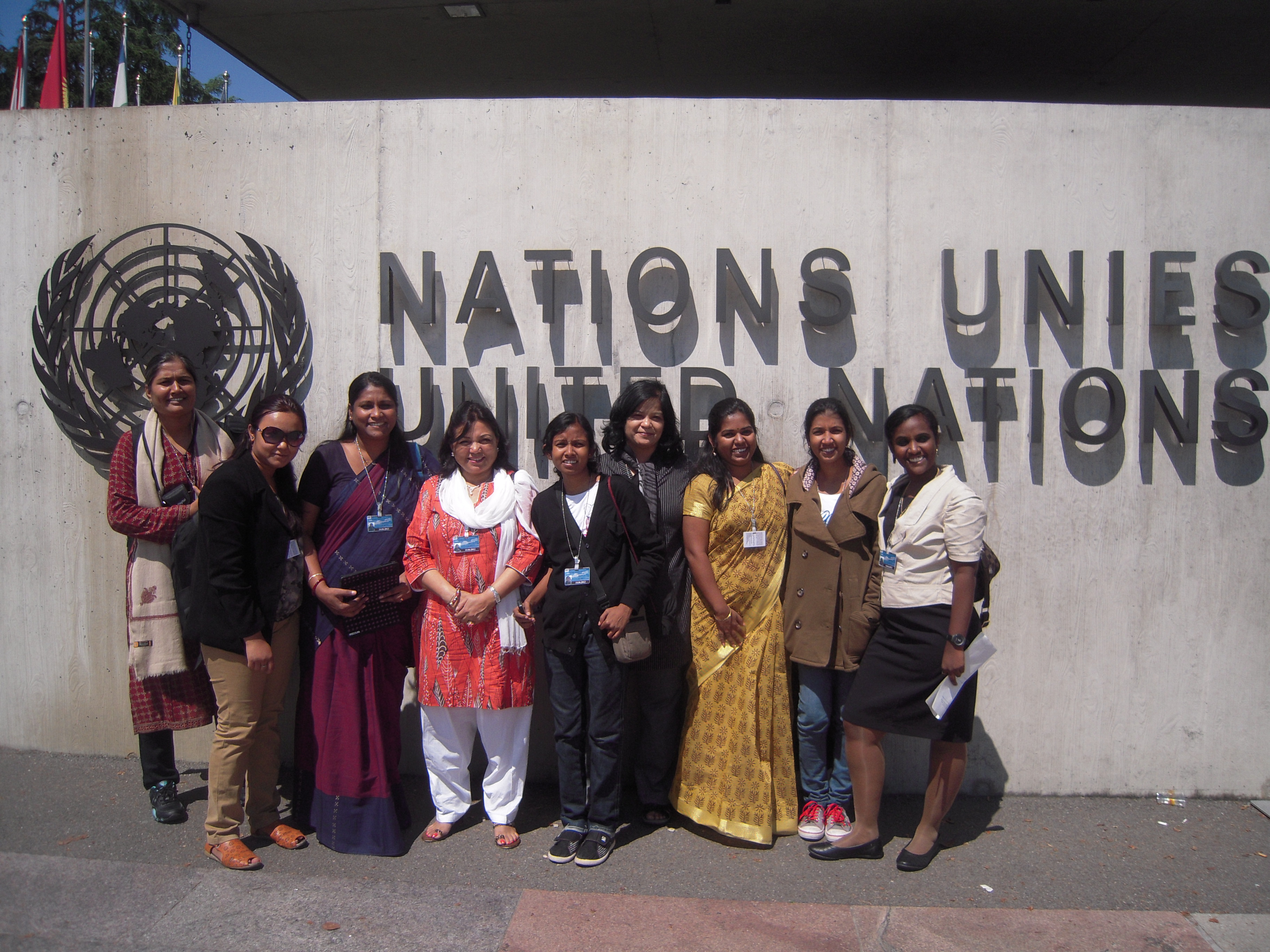
Nine Dalit women activists from South Asia attended the UN Human Rights Council in Geneva last week. Members of the group spoke at a side event on Dalit women on 4 June, and they appealed to UN member states to address their situation.
Women and girls facing caste-based discrimination need special protections (Press release from Human Rights Watch, IMADR, Minority Rights Group International and IDSN)
The UN High Commissioner for Human Rights has reiterated her commitment to ending caste discrimination. In a statement to a UN side event on Dalit women, she also called on UN member states to address the issue.
Figures from the 2011 census confirm that there are more than 200 million Scheduled Castes (the official term for Hindu, Sikh and Buddhist Dalits) in India. The total number of Dalits is probably much higher as Muslim and Christian Dalits are not included in these figures.
IDSN has urged UN member states to recognise Dalit women as a particularly vulnerable group in the upcoming annual resolution in the Human Rights Council on violence against women.