
35 videos documenting caste discrimination across India launched tomorrow
The myth that caste discrimination in India is a thing of the past must be dispelled and on the 14th of April, Video Volunteers launch 35 community videos documenting caste discrimination across 12 states in India, to mark Ambedkar day, the birthday of a Dalit hero who fought for equality and justice for India’s Dalits.
UN expert concerned about “high levels of impunty” in India
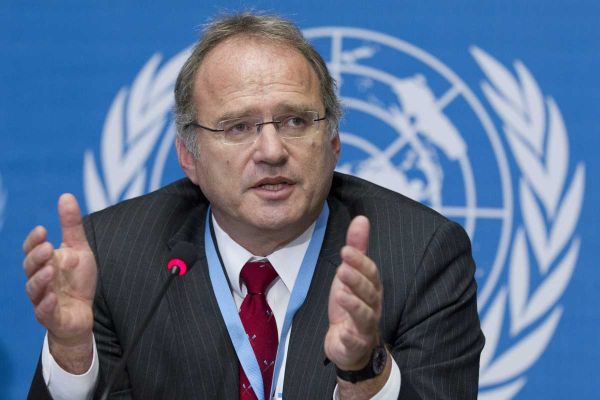
After recently visiting India, the UN expert on extrajudicial executions, Mr. Christof Heyns, expressed concern about the plight of Dalits in India and called on the Government of India to continue to take measures to fight impunity in cases of extrajudicial executions, and communal and traditional killings.
UPR recommendations: Caste discrimination in India and the UK
India and the UK will be up for review by the Universal Periodic Review (UPR) mechanism of the Human Rights Council at the 13th UPR session in May. Both countries have been scheduled to take place on the same day, 24 May 2012.
Dalit human rights defenders need urgent protection says UN expert at UN Side-event
The UN Expert on Human Rights Defenders, Ms. Margaret Sekaggya, spoke out against the unacceptable situation faced by those defending Dalit human rights in South Asia, at a UN side-event, held on March 9th in Geneva, where panellists also included Dalit human rights defenders from several caste-affected countries in the region.
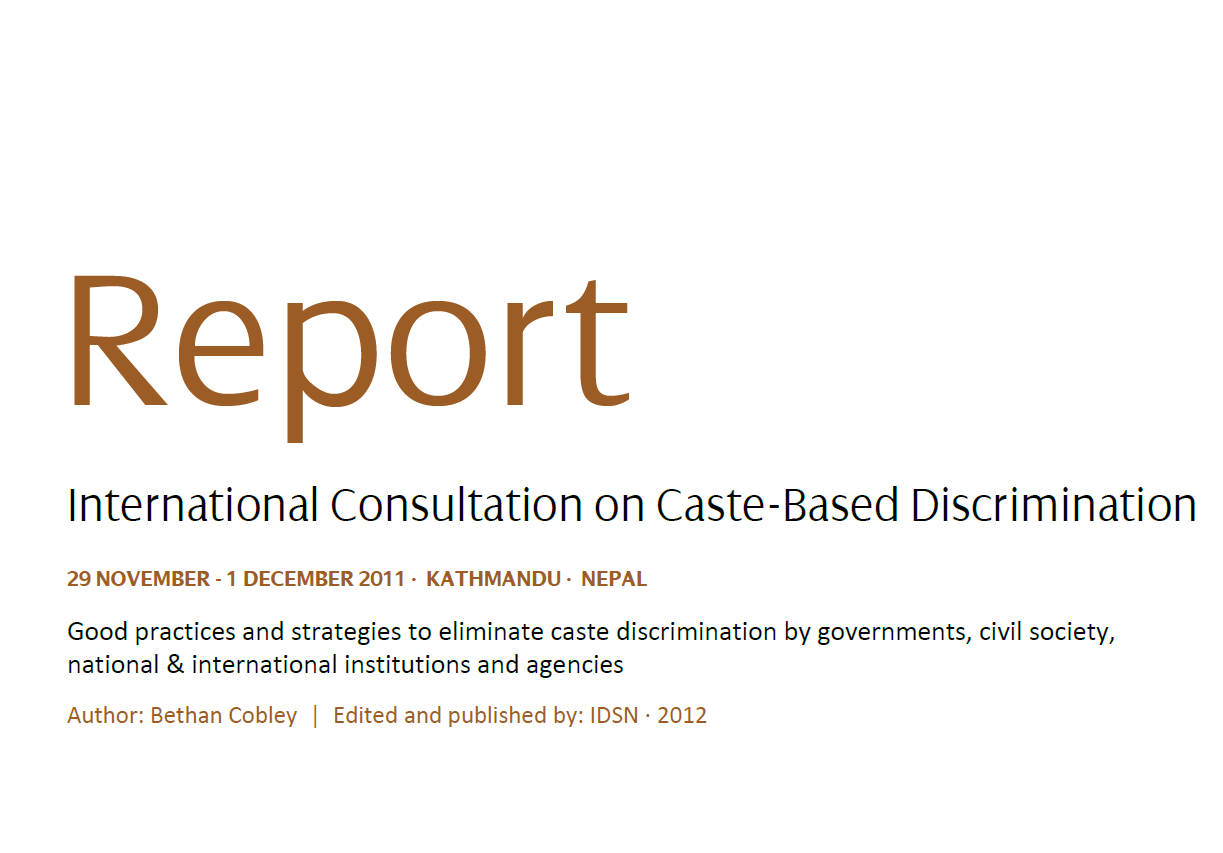
New publication: Report and Compilation of Good Practices from the International Consultation on Caste-Based Discrimination
The report is an outcome of the International Consultation on Caste-Based Discrimination: Good practices and strategies to eliminate caste discrimination by governments, civil society, national & international institutions...
Dalits still working in bonded labour in the cotton industry despite some improvements, new report finds
Follow-up report highlights improvements but warns that root problems remain and bonded labour continues to exist in the cotton indsutry.

IDSN Annual Report 2011 released
The IDSN Annual Report 2011 sums up the many positive developments in the struggle to end caste discrimination that the year has brought and outlines some of the remaining challenges that will keep us all engaged in this struggle for many years to come.
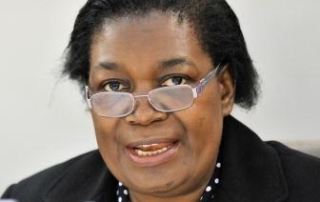
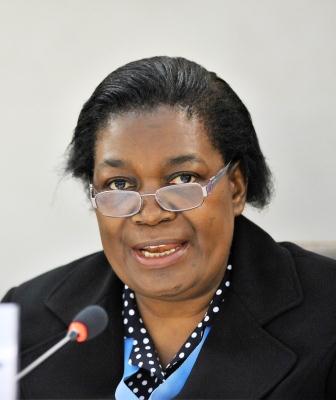
UN expert deeply disturbed by the situation of Dalit human rights defenders in India
The UN Special Rapporteur on Human Rights Defenders has released a report with a strong focus on the dire situation of Dalit human rights defenders, following her 2011 visit to India.


Human Rights Watch urges EU to take immediate steps to eliminate abuses against Dalits
In a letter to the Presidents of the European Council and European Commission regarding the EU India summit, Human Rights Watch strongly urge the EU to address a number of pressing human rights issues in India including the situation of Dalits.
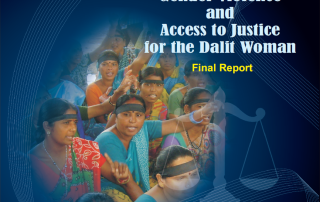
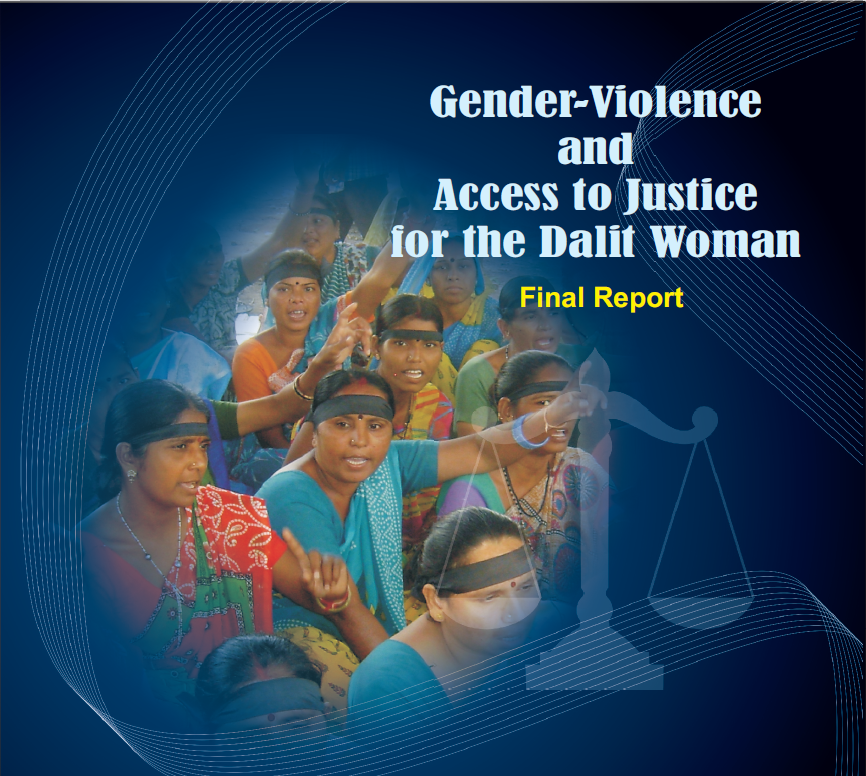
Atrocities against Dalit women go unpunished – new study from Navsarjan Trust
Navsarjan Trust have released the study 'Gender Violence and Access to Justice for Dalit Women in collaboration with Minority Rights Group International. The report finds Dalit women face severe difficulties in accessing justice and are extremely vulnerable to violence, sexual abuse and other atrocities.