Dalit girls exploited in India’s garment industry
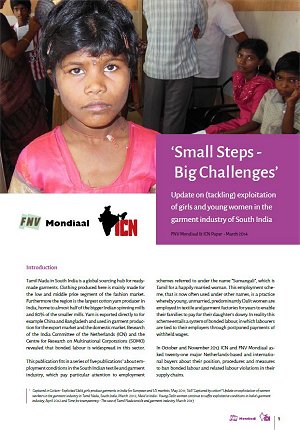
A new report finds that Dalit girls in India's garment industry live in hostels, with little freedom of movement, are underpaid for long working-days and working under hazardous conditions.
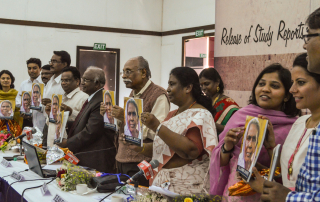
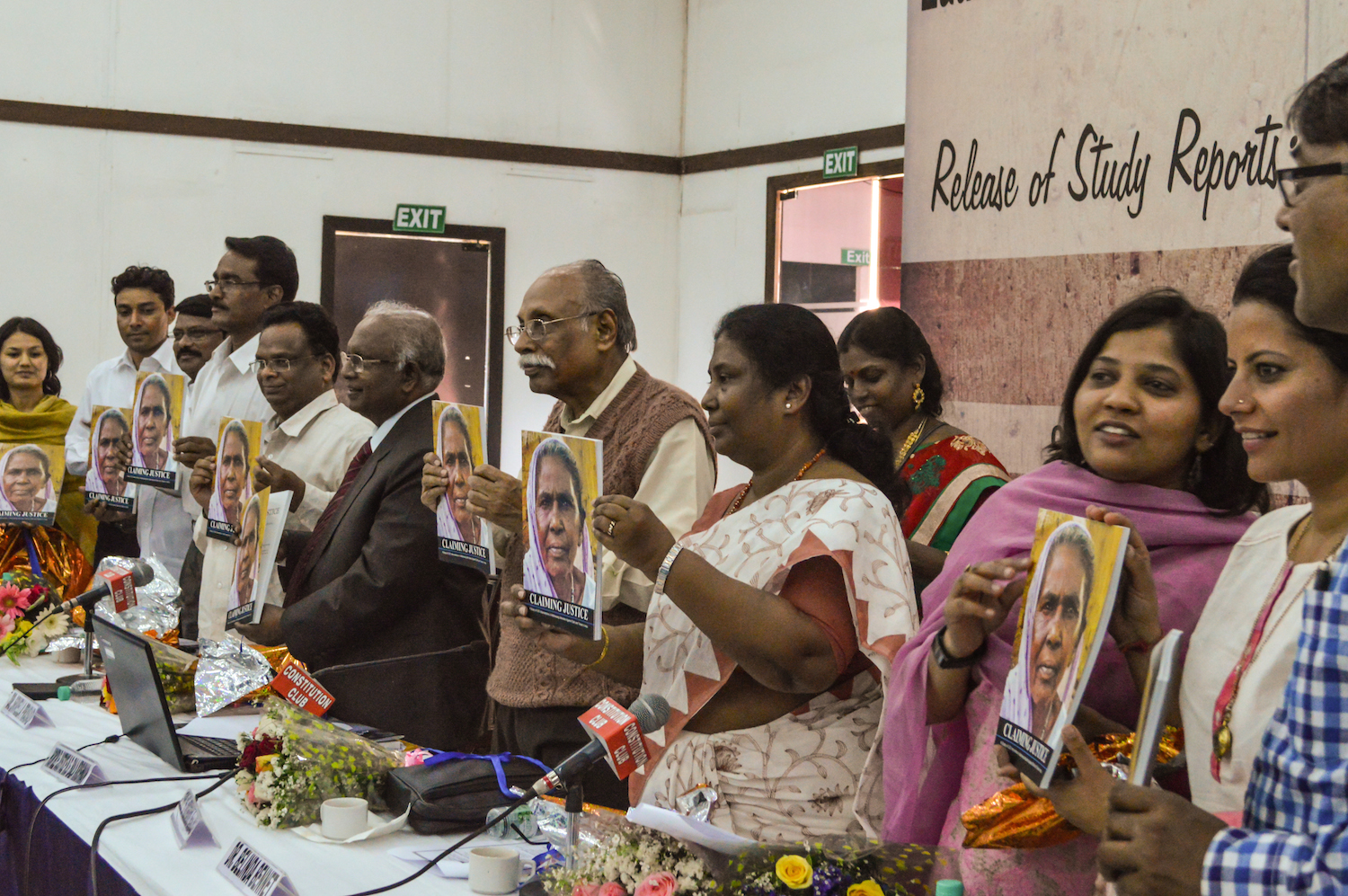
Told directly from victims, witnesses, community members, human rights defenders and public officials, the report analyzes over 400 atrocity cases, with 20 in-depth case studies covering atrocities such as murder, rape, mass attack, and land grabbing.
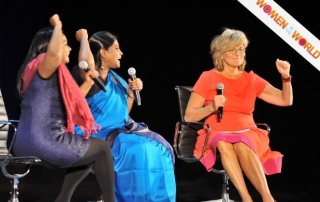
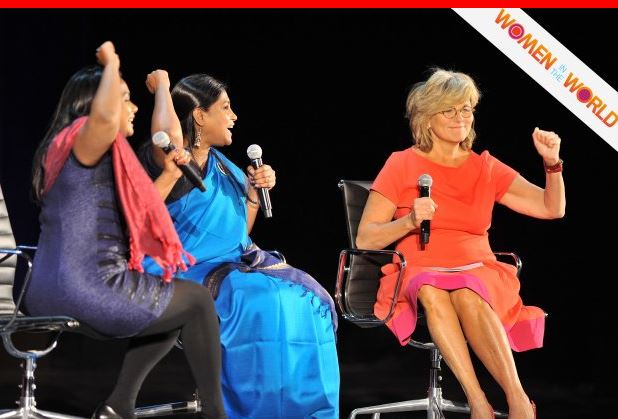
“Even if no one else recognizes us as human, we will shout it from the rooftops. … The shame is not on the women, the shame is on India,” said US Dalit woman filmmaker Thenmozhi Soundararajan in the talk she gave together with Asha Kowtal from AIDMAM, at the high profile Women in The World Summit in New York**. Uma Thurman introduced the talk by playing the part of a Dalit woman rape victim and NBC anchor Cynthia McFadden moderated the discussion.
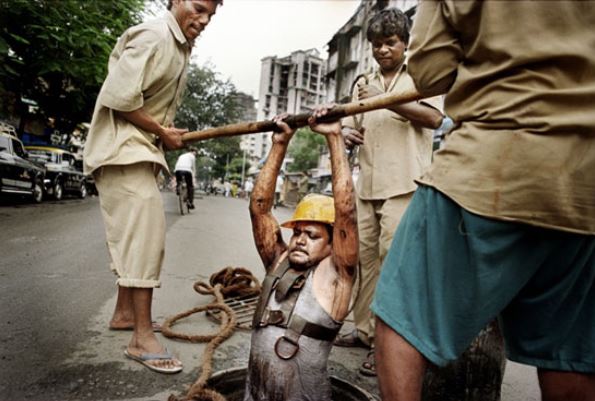
The Indian Supreme Court has ruled that the continuance of manual scavenging in the country is in blatant violation of Article 17 of the Constitution of India by which, “untouchability is abolished and its practice in any form is forbidden”. The court was emphatic about the duty cast on all states and union territories “to fully implement the law and to take action against the violators”.
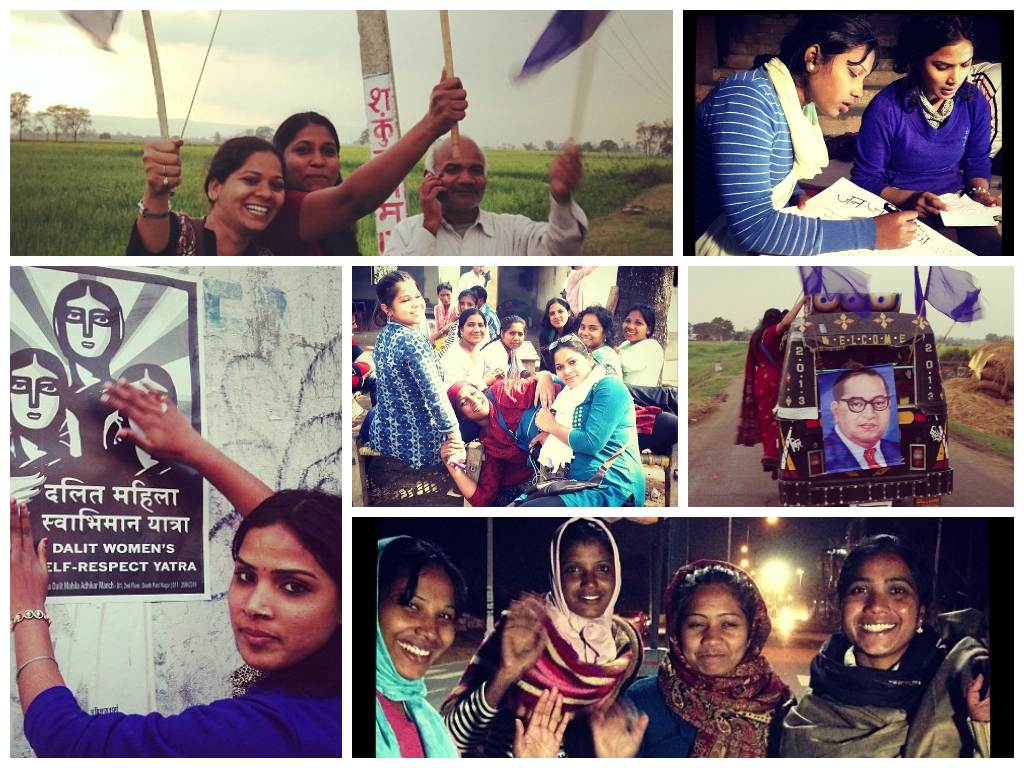
For a full month Dalit women have marched in India to fight the vicious cycle of caste and gender discrimination that severely restricts the lives of Dalit women and subjects them to violence, rape and violations of their basic human rights in almost every sphere. They are marching to empower other Dalit women to stand up for themselves and join in the fight and they are demanding justice.
Urgent and sustainable relief is needed for Dalits residing in the Thar desert who are repeatedly struck by drought. Over 100 children have died in this last drought and the Pakistan Dalit Solidarity Network have issued a press release calling for action to address the cause of these humanitarian catastrophes in Thar and find sustainable solutions to protect Dalits from droughts in future.
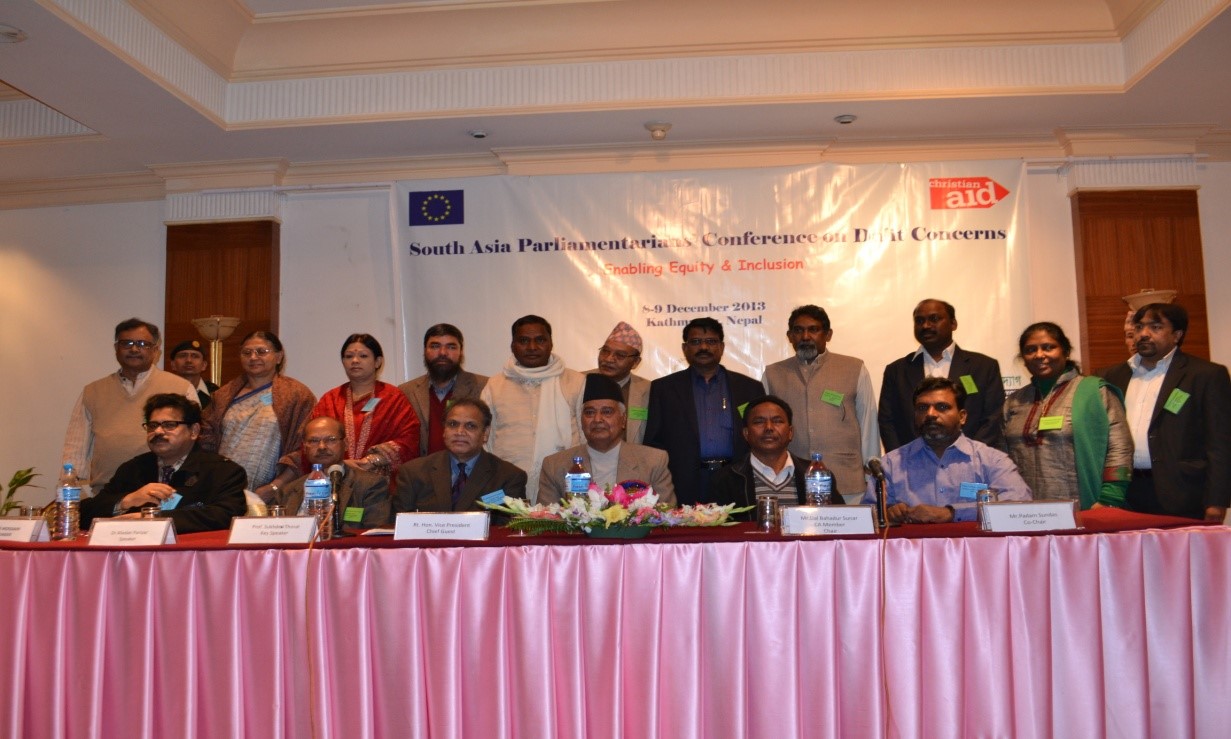
Parliamentarians from India, Nepal and Bangladesh have formed the ‘South Asian Parliamentary Forum’ (SAPF) to combat caste discrimination, at the historic ‘South Asia Parliamentarians Conference on Dalit Concerns’ in Kathmandu 8-9th December.
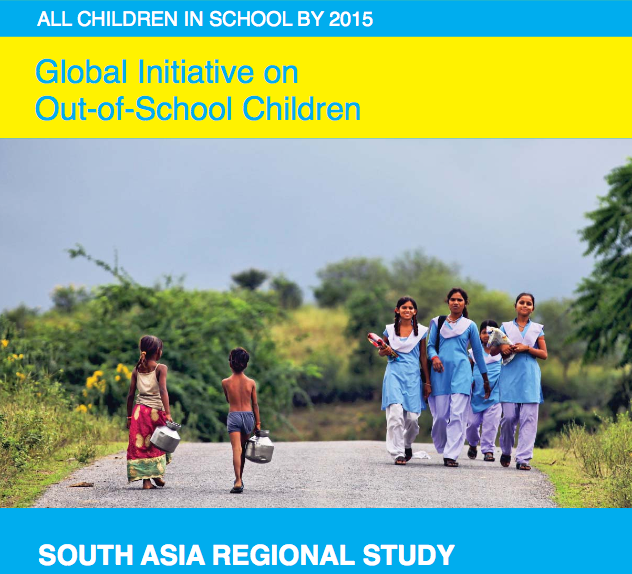
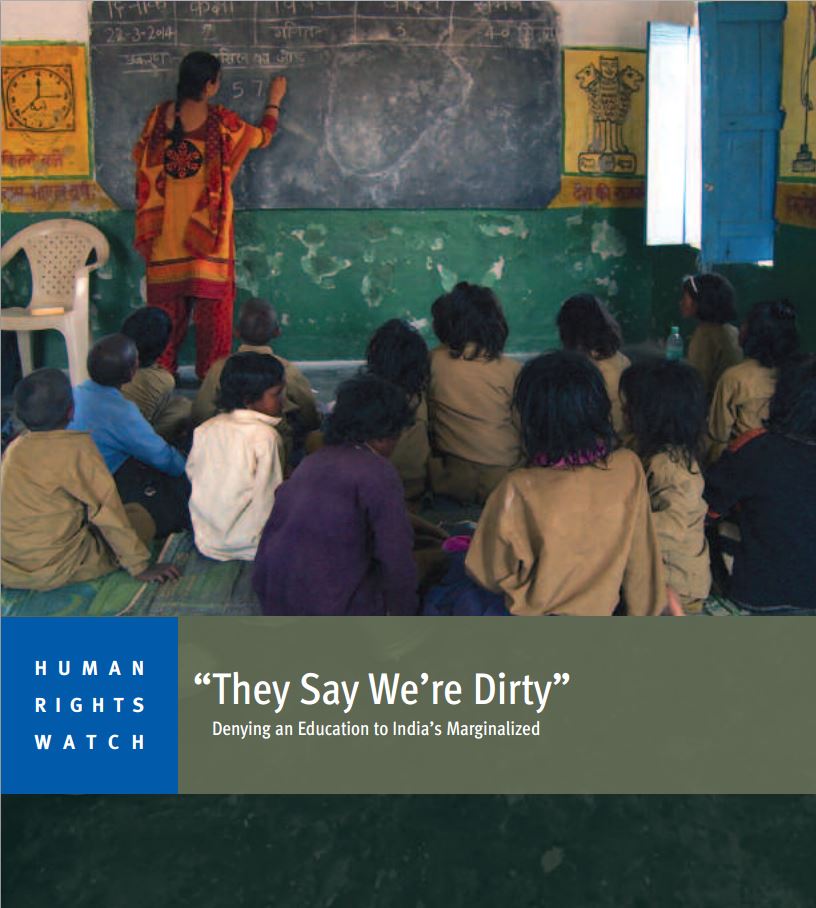
A report just released by UNICEF and UNESCO on out of school children in India highlights that Dalit girls have the highest primary school exclusion rate in India. The report also finds that half of the Pre-School age Dalit children are not attending school.
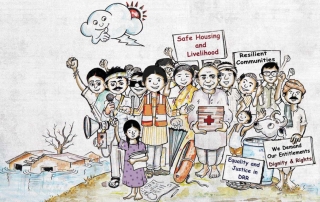
Key humanitarian actors including UNDP, ECHO, the Asian Disaster Reduction & Response Network, USAID and DFID gathered in New Delhi for the launch of the report “Equality in Aid – Addressing Caste Discrimination in Humanitarian Response”.
Dalits in India have united to issue an urgent appeal to the Indian Government to take immediate action on passing pending legislation amending the Prevention of Atrocities act, meant to stop atrocities against Dalits and Adivasis (tribals) in India. They are also asking the Government to approve a bill to ensure the proper allocation and distribution of budgets for Dalits and Adivasis.