
Global media outrage over rape and hanging of teenage girls in India
The case of the rape and hanging of two girls in Badaun, Uttar Pradesh, widely reported to be Dalits, has caused a global media storm of reports on rape and violence against women in India and the strong links to caste discrimination. Numerous stories have highlighted that India’s ‘rape culture’ and ‘culture of impunity’ will not end until caste discrimination is tackled head on. Leading Human Rights NGOs and the UN have also made statements.
UN Human Rights Chief to speak out on caste-based rape and violence at HRC26 side-event
On Tuesday 17th June the UN High Commissioner for Human Rights, Ms. Navi Pillay, will give the opening statement at a side-event on caste-based violence against women, at the UN Human Rights Council. The event comes following a series of brutal rape cases against Dalit women and the rape and hanging of two teenage cousins in India.
United Nations raising concern for caste discrimination from all quarters
Within the span of a month the urgent issue of caste discrimination has been highlighted by the UN Special Rapporteur on Rights to Freedom of Assembly, The UN Committee on the Rights of the Child, the Office of the High Commissioner for Human Rights, and the UNDP. Earlier this year the Special Rapporteur on Violence against Women also reported grave concern for Dalit women.
IDSN’s fight for UN consultative status – a case of reprisal against a human rights NGO
For seven years IDSN’s application for UN ECOSOC consultative status has been blocked on spurious grounds. IDSN is a key actor in bringing the plight of 260 million Dalits, suffering from caste discrimination worldwide, to the attention of the UN. Blocking IDSN’s accreditation is an attempt to silence the human rights issues of a quarter of a billion people. The IDSN application is now the application that has been deferred the longest by the ECOSOC committee.
Dalit women activists bring the struggle to end violence against Dalit women to Europe
Asha Kowtal, General Secretary of the National Dalit Women’s movement in India (AIDMAM), and Dalit filmmaker Thenmozhi Soundararajan, brought the campaign to end violence against Dalit women to European decision-makers and public gathering in May. The two women spoke at a number of significant events in Europe to report back on the recent Self-respect march for Dalit women in India.
Dalit leaders speak at EU Human Rights Defenders Forum
Dalit Human rights defenders and a team from the IDSN secretariat took part in The European Instrument on Democracy and Human Rights (EIDHR) 2014 Forum on Protecting Those Who Protect. Asha Kowtal, General Secretary of the National Dalit Women’s movement in India, spoke about Dalit women human rights defenders as part of a panel while Henri Tiphagne raised the issue of shrinking space for human rights defenders in India from the floor.
UN experts slam India’s child rights policies (NCDHR press release)
India’s child rights policies came under sharp attack at a crucial meeting of UN experts on 2-3 June in Geneva. The UN Committee on Rights of Child had met to review the progress made under the provisions of the Convention on the Rights of the Child (CRC) and its two Optional Protocols in India.
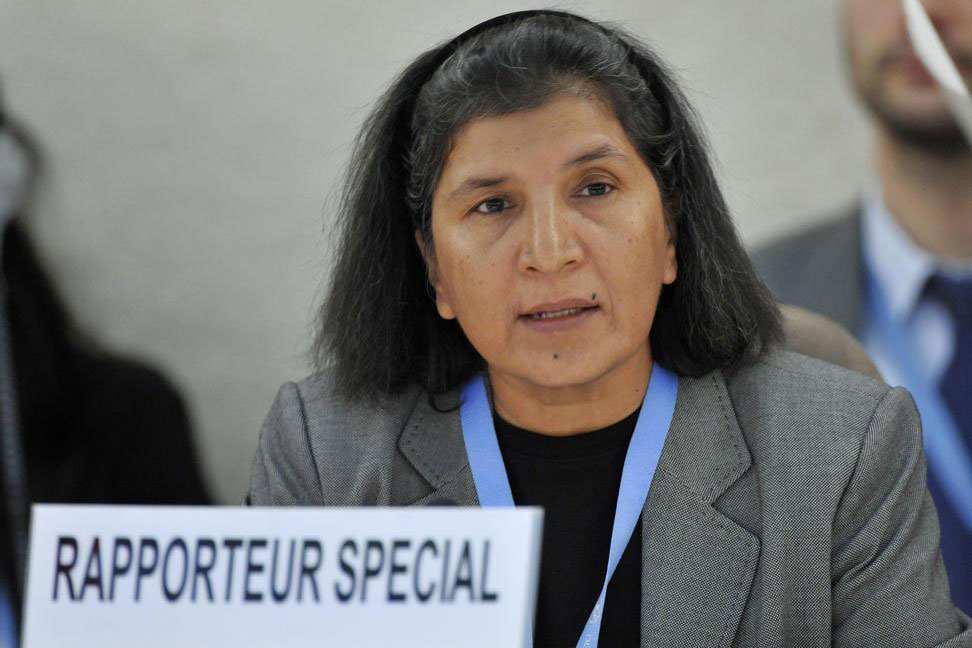
UN: Plight of Dalit women highlighted by the Special Rapporteur on Violence against Women
“The intergenerational nature of caste-based discrimination condemns women to a life of exclusion, marginalization and disadvantage in every sphere of life. Many of those women are denied an education and economic opportunities, and perform dangerous and unprotected work, including … modern forms of slavery,” stated the SR on Violence against Women, Ms. Rashida Manjoo, in her report following her mission to India.
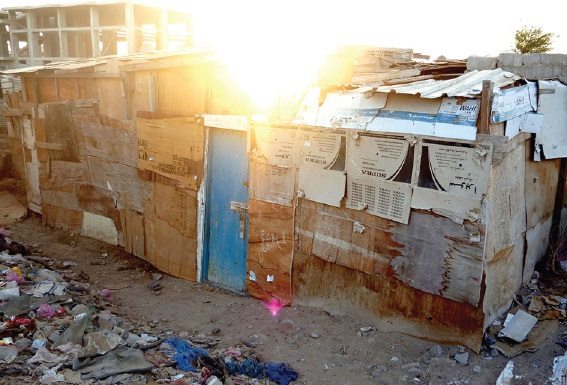
UNICEF: Yemen takes a major first step in reaching the Al Akhdam people
A project to map Al Akhdam communities in Yemen has been launched by UNICEF in collaboration with the Ministry of Social Affairs and Labour (MoSAL). IDSN has been working to promote the rights of Al Akhdam people for a number years and welcomes this much needed survey, expected to reach some 10,000 households.
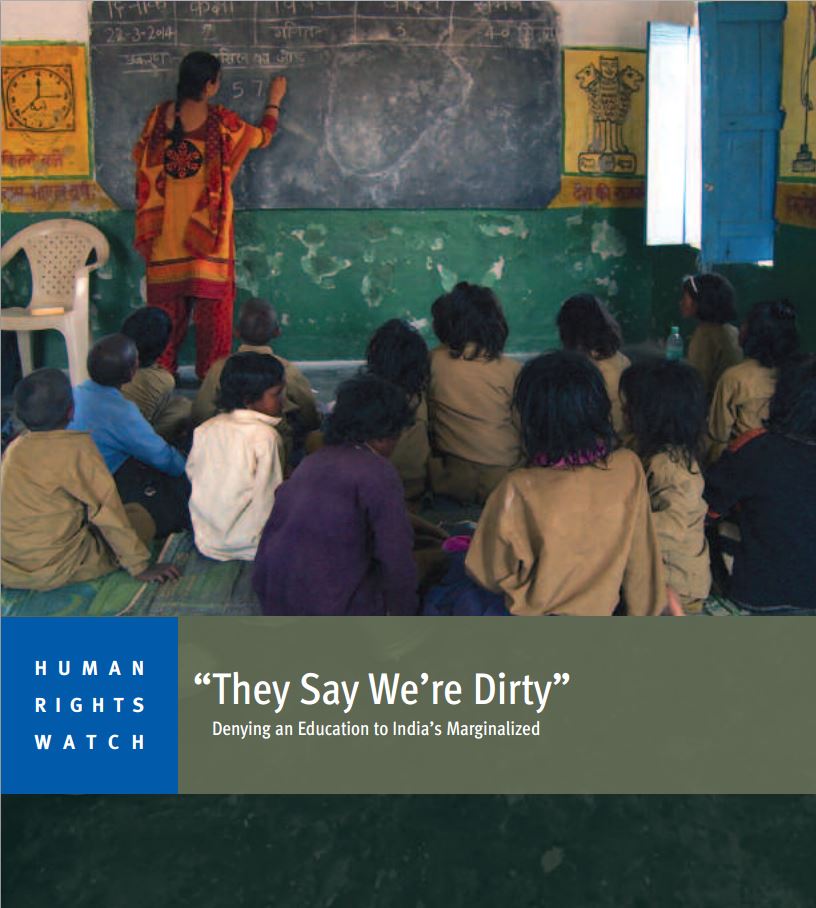
Human Rights Watch Report: India’s marginalized denied education
Dalits, Adivasis and Muslims are most at risk of dropping out of school and being denied an education in India – states the comprehensive report “They say we’re dirty” – Denying an Education to India’s Marginalised, just released by Human Rights Watch.