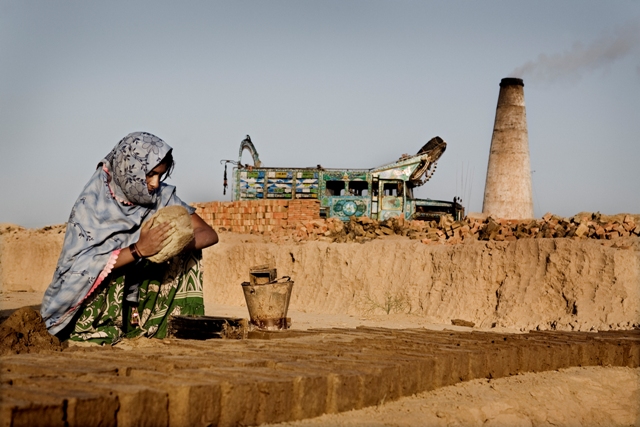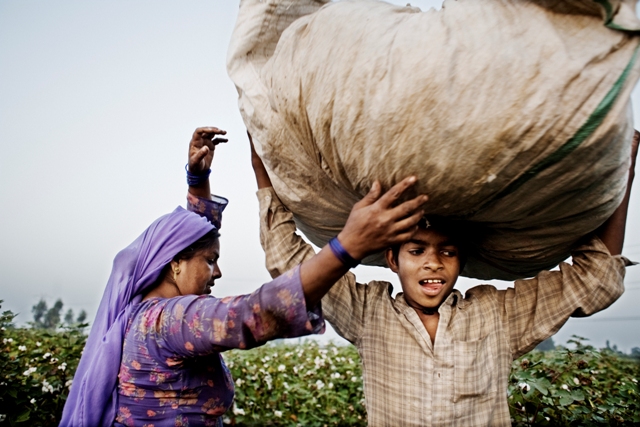
Dalits still working in bonded labour in the cotton industry despite some improvements, new report finds
Follow-up report highlights improvements but warns that root problems remain and bonded labour continues to exist in the cotton indsutry.
The UN Special Rapporteur on Human Rights Defenders has released a report with a strong focus on the dire situation of Dalit human rights defenders, following her 2011 visit to India.
A way to effectively address caste-based discrimination in India is by reforming institutions of justice administration. This means changing the manner in which institutions like the police, prosecution and judiciary function in the region. At the moment, what are obtained in the name of human rights are only empty promises. When public institutions of justice fail having a law to guarantee non-discrimination of Dalits is of no meaning. What is achieved in India will have tremendous influence in the region.
The UN Special Rapporteur on contemporary forms of slavery noted with concern that children from marginalised groups, including tribal and lower caste communities, are "doubly vulnerable to abuses" in the mining sector.
People’s Watch Tamil Nadu have undertaken a fact finding mission in relation to the alleged police shooting of at least 6 Dalits, when police fired into a crowd on Sunday 11 September at Paramakudi in the South Indian state of Tamil Nadu. The preliminary findings confirm that police were to blame for the incident and that several of those allegedly shot dead had in fact been subjected to brutal police torture.
Several important references to caste discrimination are included in the Core Labour Standards in India report for the WTO September review of India’s trade policies, released by the International Trade Union Confederation (ITUC).
In a letter to Hillary Clinton, HRW urged her to raise with India the need to protect the rights of women, Dalits, and other vulnerable groups. HRW mention specific steps to ensure the protection and promotion of Dalit Rights that need to be discussed with the Indian administration.
ILO: For millions of people, contemporary India has become a land of opportunities, and the largest democracy in the world has experienced a remarkable economic growth during the last decade. Yet, as India accelerates its pace towards development, many are left behind due to long standing caste-based discrimination in employment. ILO Online reports from Rajasthan, India.
Imagine sitting in your home, it’s ten o´clock in the morning, and you suddenly see a bulldozer, with its jaws wide open, drive up to your front door. You are told that you have thirty minutes to collect your belongings and get out of the family home you have lived in for decades, before it is completely destroyed, reduced to a worthless pile of rubble.
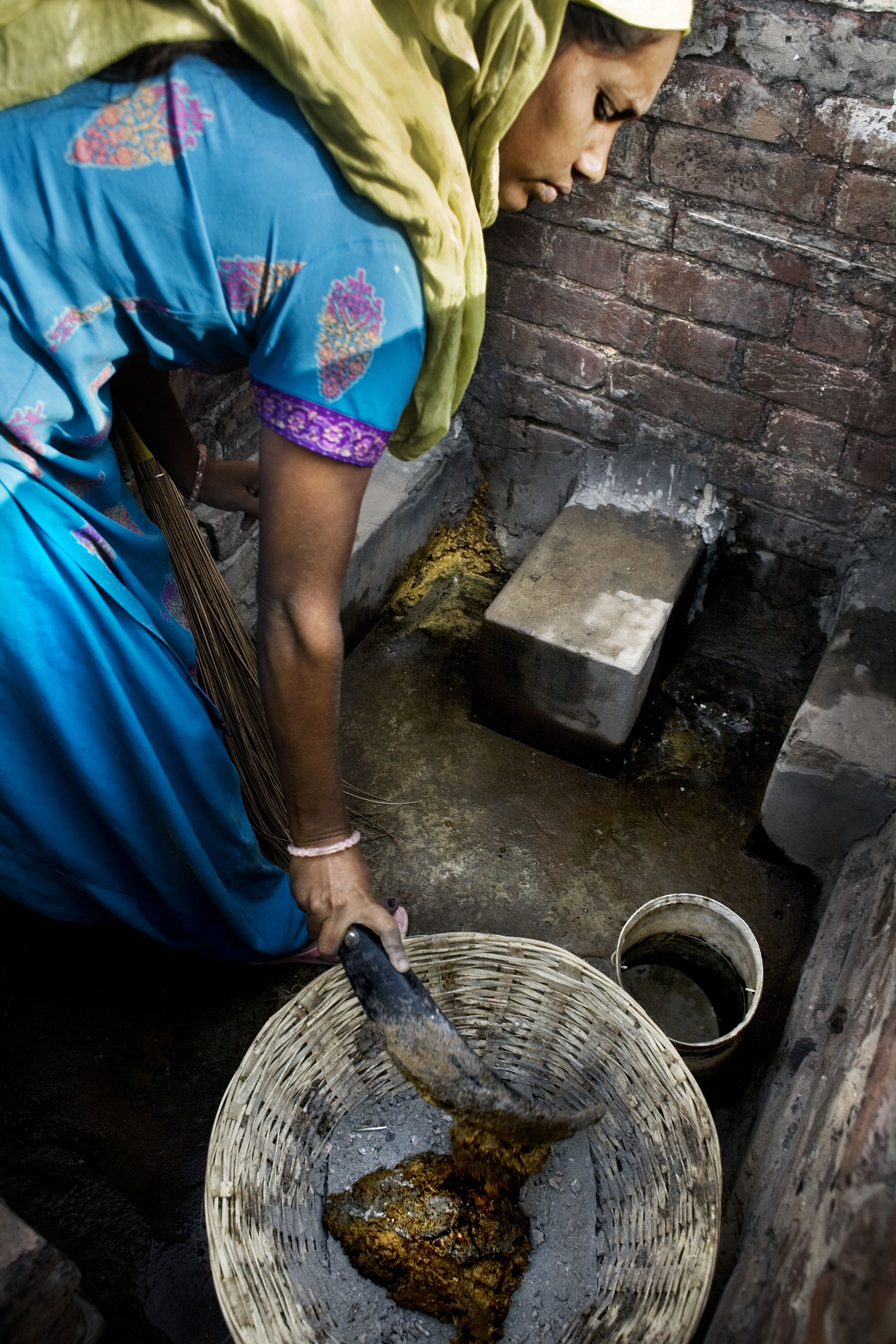
In a bold speech on the 17 June at the Conference of the State Welfare and Social Justice Ministers in New Delhi, Prime Minister Manmohan Singh urged ministers to be more vigilant and do everything in their power to implement the SC/ST act that is meant to protect the human rights of Dalits and Adivasis. The PM paid particular attention to the on-going issue of manual scavenging which he called, “One of the darkest blots on our development process” saying,