
Nepal’s March 2026 election has created a new opening for addressing caste discrimination and stepping up action to ensure caste and gender justice, with a formal state apology to Dalits and the appointment of Hon. Sita Badi as the first Dalit woman to serve in Nepal’s federal cabinet, as Minister for Women, Children and Senior Citizens. IDSN’s Nepal member organisations now stress that recognition must be matched by budgets, reform and accountability.
Nepal’s recent election has brought caste and inclusion more visibly into the national political conversation. For Dalit communities, the significance of this moment lies not only in the change of government, but in the possibility that long-standing demands for justice, recognition and equal participation may finally receive greater political attention.
A significant development took place in March 2026, when the newly elected government initiated a formal state apology to the Dalit community. The move aimed to acknowledge centuries of institutionalised injustice, social exclusion, and discrimination perpetuated through state structures and policy frameworks. For many, this marked a historic moment—the first time the state formally recognised the systemic nature of caste-based oppression sustained across generations.
It was widely expected that the apology would be delivered by either the Prime Minister or the President on behalf of the state. However, the statement was instead done by the chairperson of the ruling party, speaking on behalf of the government—an unusual and procedurally ambiguous approach. This has raised serious concerns about the legitimacy and durability of the apology. Without being anchored as a formal act of the state, there is a real risk that it could be dismissed by future governments.
Recognition, but also scepticism
Delivered in Parliament by Rabi Lamichhane, the apology was framed as a commitment to ensure that no Nepali would ever again have to “bow down” because of caste. The gesture was seen by some activists as an important act of recognition and a possible starting point for national reconciliation.
At the same time, its meaning remains contested. Critics have warned that the apology risks becoming hollow if it is not backed by formal procedures, adequate budgets and structural reform. For Dalit rights advocates, the issue is clear: symbolic recognition matters, but it cannot stand in the place of concrete action to dismantle entrenched caste hierarchies. IDSN Member Dignity Initiative has posted a Nepali language video – analysing the significance of the apology but also the need to back this up with concrete action.
First Dalit woman elected Minister for Women, Children and Senior Citizens
The post-election period has also brought an important milestone in political representation. Hon. Sita Badi has become the first Dalit woman to hold a full cabinet position, serving in Nepal’s federal cabinet, as Minister for Women, Children and Senior Citizens.
Born into the Badi community long shaped by exclusion and discrimination, her appointment carries significance well beyond a single ministerial post. It reflects both personal resilience and a broader shift in who is able to enter positions of power. For many Dalit and marginalised communities, this is an important sign that representation at the highest levels of government can no longer be postponed.
Dalit women are pushing the agenda forward
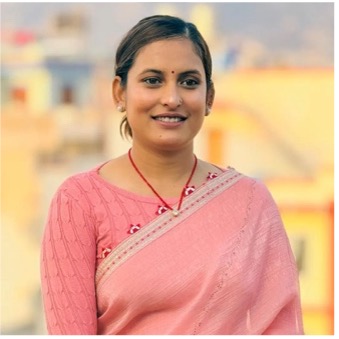 IDSN members report that Dalit women’s organisations are already working to ensure that this new political moment leads to substantive change. IDSN member the Feminist Dalit Organisation (FEDO) has welcomed the election of Pavitra Bishwakarma, Manmaya Bishwakarma and Parbati B.K. to the House of Representatives, expressing hope that their tenure will strengthen the voices of Dalit women and advance inclusion, justice and equal rights.
FEDO has also submitted key recommendations on advancing the rights and inclusion of Dalit women and marginalised girls. These include calls for inclusive budgeting in fiscal year 2082/83, with attention to economic empowerment, access to services, protection from violence, citizenship rights, and meaningful participation in policy and decision-making. The government is in the process of amending the constitution. This should also address the unfinished constitutional commitments for Dalits, such as ensuring proportional representation and making a comprehensive law to enact Article 40 of the constitution.
The real test ahead
Nepal’s election has opened a potentially important chapter for Dalit rights. The language of apology, the emergence of new representatives, and the appointment of Sita Badi all point to a shift in public recognition of caste injustice.
While the government has announced a 100-point reform agenda and committed to introducing key programmes within 15 days, more than 55 days have passed since the formation of the new Parliament without significant progress. This underscores the importance of sustained follow-through to ensure that commitments are effectively translated into action.
In this context, FEDO, in collaboration with the National Dalit Commission and other civil society organizations, is supporting the development of a comprehensive position paper to be submitted to the Government of Nepal. The paper calls for an official state apology and outlines reform-oriented measures aimed at advancing social justice, inclusive restoration, and historical reconciliation.
FEDO has also formally submitted recommendations to Hon. Minister Sita Badi at the Ministry of Women, Children and Senior Citizens, focusing on the rights and inclusion of Dalit women and marginalized girls. These recommendations highlight the need for inclusive budgeting in FY 2082/83, with attention to economic empowerment, access to services, protection from violence, citizenship rights, and meaningful participation in policy and decision-making.
This represents an important step towards ensuring that the perspectives and priorities of Dalit women are reflected in national planning processes.
Dalit communities and organisations are making clear that apology and new commitments must lead to implementation and that representation must translate into policy. Whether this post-election moment becomes a genuine turning point will depend on whether Nepal’s leaders move beyond symbolism and take measurable steps to address caste-based exclusion in proper implementation of the law, institutions and everyday life.